Disclosure: As an Amazon Associate I earn from qualifying purchases. How this site works
Where to Buy a Portable Butane Stove
Each category below links to current listings on Amazon (opens in a new tab). Use this checklist to compare butane stoves before you buy.
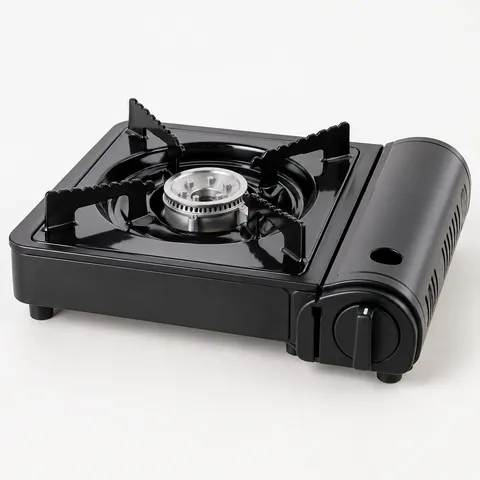 Single-burner butane stoves
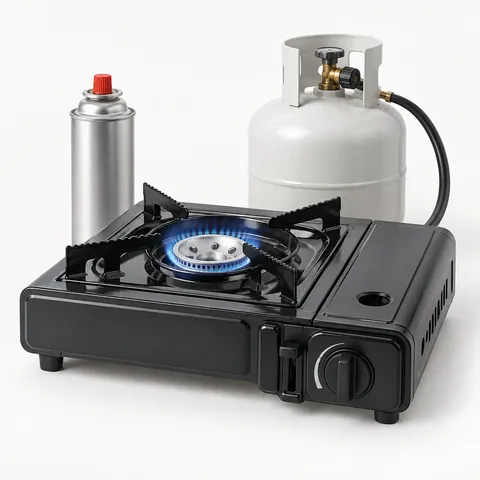 Dual-fuel butane/propane stoves
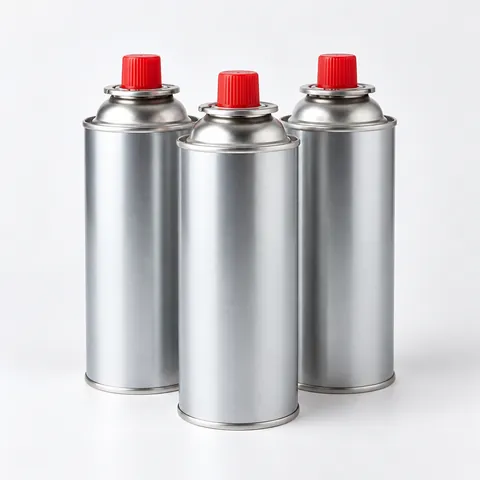 Butane fuel canisters
Before you buy
- Check heat output and simmer control.
- Confirm safety features such as pressure-sensing shut-off.
- Note the maximum pan size.
- Check fuel compatibility and whether a propane adapter is available.
- Read the manual’s indoor-use guidance.
- Look for certification marks relevant to your country.
Categories referenced on this site
Buying fuel
Buy canisters that match your stove’s specification. Store them upright in a cool, ventilated place and never refill single-use canisters.
Best places to buy a portable butane stove
The easiest place to compare options is an online marketplace, because you can quickly filter by fuel type, burner count, carrying case, and listed safety features. If you are replacing an old stove, online listings also make it easier to match the canister style and check the manual before the stove arrives.
- Online marketplaces: Best for comparing many models, reading the manual or specification sheet, and checking return terms before buying. Start with single-burner butane stoves if you want a compact unit for hot pot, camping, tailgating, or emergency cooking.
- Outdoor and camping stores: Useful if you want to see the stove size in person or ask about fuel availability in your area. Selection may be smaller, but staff may know which fuel formats they regularly stock.
- Restaurant supply stores: Worth checking if you need a sturdy tabletop burner for catering, buffet service, or frequent cooking. Confirm that the stove is intended for your use, not just commercial serving or warming.
- Asian grocery stores and international markets: Often carry butane stoves and fuel because tabletop cooking is common for hot pot and similar meals. Check the stove label and instructions carefully, especially if packaging is not fully in English.
- Hardware and home improvement stores: Good for emergency-preparedness shopping, but fuel canister selection varies by location and season.
If you are not sure which type to buy, choose the retailer that makes returns simple and provides a downloadable manual. A clear manual matters more than a long feature list, because it tells you the exact canister type, pan limits, ventilation requirements, and lighting steps.
Should you buy a single-burner or dual-fuel stove?
A single-burner butane stove is usually the simplest choice for tabletop cooking and short trips. It is compact, easy to carry, and uses the common aerosol-style butane canister specified by many portable stoves. The trade-off is that butane performance can drop in cold weather, and you are limited to the fuel type the stove accepts.
A dual-fuel stove can run on butane and, when the stove and connector are designed for it, propane. This can be useful if you camp in cooler conditions or already keep propane cylinders for other gear. Dual-fuel does not mean every adapter is safe with every stove, so buy a package or adapter that the stove maker specifically allows.
| Stove type | Best for | Trade-offs to check |
|---|---|---|
| Single-burner butane | Apartment backup cooking, hot pot, picnics, light camping, tailgating | Butane-only fuel supply, colder-weather limitations, pan-size limits |
| Dual-fuel butane/propane | Camping flexibility, emergency kits, buyers who may need propane compatibility | More parts to store, adapter rules, hose routing, and manual requirements |
| Two-burner portable setup | Cooking more than one pan at a time | Larger footprint, more fuel planning, higher total heat near the cooking area |
If you want flexibility, compare dual-fuel butane propane stoves and read the fuel connection instructions before you buy. If you mostly need one pot or one skillet, a single burner is usually easier to store and set up.
How to inspect the product listing before ordering
A good listing should answer the basic questions without making you hunt through photos. If the seller does not show the fuel type, safety shutoff information, dimensions, and included parts, look for another listing or confirm those details with the merchant before ordering.
- Find the exact fuel type. Look for the canister style, fuel blend, connector type, and whether the stove accepts only butane or also propane with an approved adapter.
- Check what is included. Some stoves include a carry case, windscreen, hose, or adapter, while others include only the burner. Fuel is often sold separately.
- Confirm the cooking surface size. Compare the listed dimensions to the pans you plan to use, and pay attention to the manual's maximum pot or pan diameter.
- Read the ignition instructions. Many portable stoves use a piezo-style igniter, but you should still know how the stove is supposed to be lit and shut down.
- Look for replacement-part clarity. If the stove uses a hose, regulator, adapter, or canister latch, the listing should make those parts easy to identify.
- Review return restrictions. Fuel canisters may have different shipping and return rules than the stove itself, so do not assume they are handled the same way.
- Check the seller's packaging notes. A stove used for emergency storage should arrive with the manual, labels, and case intact.
Be careful with vague wording such as universal fuel, all gas canisters, or indoor safe without specific instructions. A portable stove is a fuel-burning appliance, so the exact manual language matters. If the listing photos and written specifications disagree, rely on the manual or contact the seller before buying.
Buying butane fuel canisters without mistakes
Fuel is not always included with a stove, and it may ship separately. Before buying butane fuel canisters, match the canister style and fuel specification to the stove manual. Do not choose fuel based only on the canister's general shape, because small connector differences can matter.
- Buy enough fuel for your intended use, but do not overstock beyond what you can store safely.
- Keep canisters away from heat, direct sun, vehicles in hot weather, open flame, and sparks.
- Transport canisters so they cannot roll, puncture, or press against the stove latch.
- Do not use a dented, rusty, leaking, or swollen canister.
- Check local rules before bringing butane canisters to parks, campgrounds, ferries, shared housing, or events.
- If you are building an emergency kit, store the stove and fuel together but not connected.
For online orders, read the shipping notes before checkout. Some fuels have carrier restrictions, and delivery options can change by location. If you need fuel immediately, a local camping store, hardware store, restaurant supply store, or international grocery may be more practical than waiting for shipment.
What to check when the stove arrives
Do a basic inspection before the return window closes. This does not replace the manual, but it helps you catch missing parts, shipping damage, or a mismatch between the listing and the product.
- Compare the model number on the box, stove, and manual.
- Make sure the pot supports, burner head, canister compartment, latch, control knob, and case are not bent or cracked.
- Read the first-use and leak-check instructions before inserting fuel.
- Verify that the fuel canister seats the way the manual describes, without forcing it.
- Turn the control knob through its range while the stove is not connected to fuel, and make sure it moves smoothly.
- Keep all packaging until you know the stove is complete and acceptable.
If anything seems damaged or unclear, stop and contact the seller or manufacturer. Do not modify a latch, bend a connector, tape a hose, or use an adapter that was not specified for that stove.
Frequently asked questions
Can I buy a portable butane stove at a grocery store?
Some grocery stores, especially international markets, carry tabletop butane stoves and canisters. Selection varies, so check that the stove includes English safety instructions and that the fuel matches the stove manual.
Do portable butane stoves come with fuel?
Often they do not, and fuel may be sold or shipped separately. Always read the listing's included-items section and buy only the canister type specified by the stove manufacturer.
Is it better to buy butane fuel online or locally?
Online buying is convenient when you know the exact canister type and can wait for delivery. Local stores are better when you need fuel right away or want to confirm the canister style in person.
Can I use any propane adapter with a dual-fuel butane stove?
No. Use only an adapter, hose, or regulator that the stove manufacturer allows for that specific model. A connector that fits physically is not enough to prove it is safe.
What should I avoid when buying a portable butane stove?
Avoid listings that do not clearly state fuel type, included parts, safety features, and pan-size limits. Also avoid damaged fuel canisters, unknown adapters, and any stove that arrives without readable instructions.
Disclosure: As an Amazon Associate I earn from qualifying purchases. This site may earn a commission when you buy through its links, at no extra cost to you. Product details come from public manufacturer information; always check the merchant page for current specifications and prices. We have not hands-on tested the products described here.